 Admin
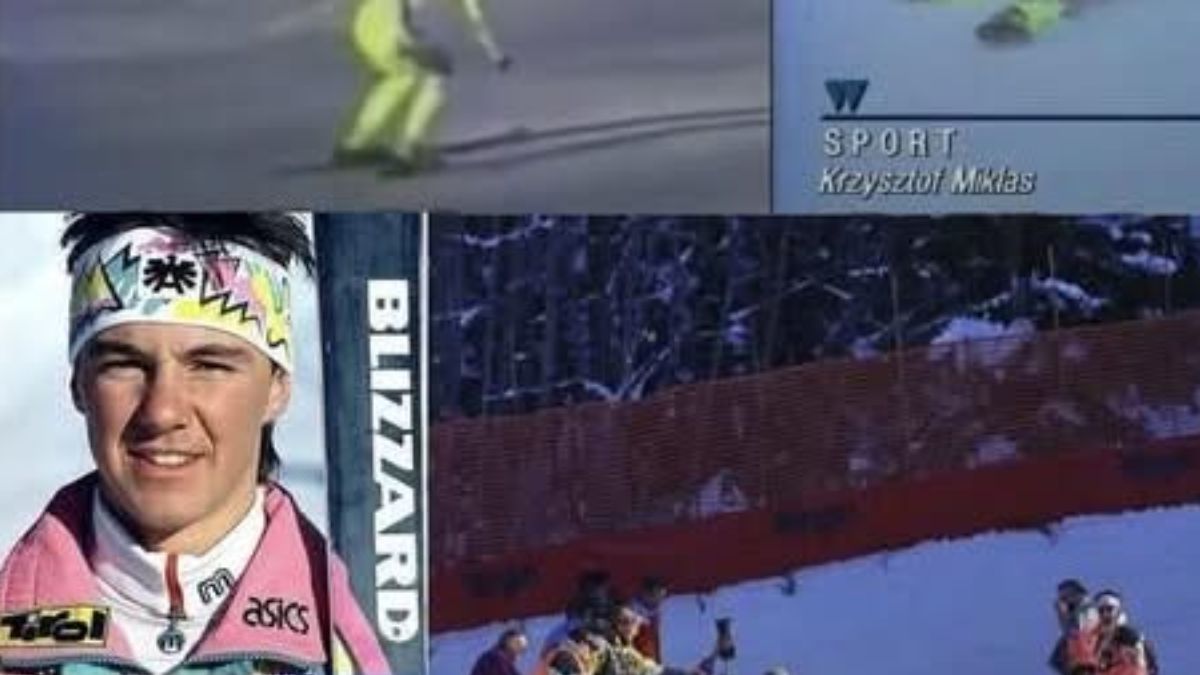
WENGEN, Switzerland — January 19, 1991 — Austrian alpine ski racer Gernot Reinstadler died at the age of 20 after suffering catastrophic injuries in a high-speed crash during a downhill qualification run on the famous Lauberhorn course in Wengen, Switzerland. His death shocked the international skiing community and prompted the cancellation of the remaining World Cup races scheduled for that weekend.
More than three decades later, Reinstadler’s accident remains one of the most remembered tragedies in alpine skiing history. His death also became an important turning point in discussions about downhill course safety, particularly the design and placement of protective barriers and safety nets.
Who Was Gernot Reinstadler?
Born on August 24, 1970, Gernot Reinstadler was an Austrian alpine ski racer regarded as a promising young talent in downhill skiing.
He came from a family connected to the sport. His mother, Traudl Eder, was a former ski racer, while his father, Adi Reinstadler, worked as a ski instructor and trainer.
Reinstadler developed his skiing skills through Austria’s competitive youth system and represented the country in junior international competitions. He participated in the Junior World Championships in 1988 and 1989, with a 13th-place downhill finish in 1989 among his notable results.
He also earned recognition in Austrian youth competitions and became part of the national team’s developing group of racers.
Although he had yet to establish himself as a leading World Cup competitor, he was viewed as an athlete with considerable potential.
What Happened in the Gernot Reinstadler Accident?
The fatal accident occurred on January 18, 1991, during a qualification run for the men’s downhill event at Wengen’s Lauberhorn World Cup competition.
The International Ski Federation had introduced an experimental qualification format intended to determine which racers would advance to the main downhill race. Reinstadler entered the qualification run wearing bib number 44.
As he approached the final S-bend near the finish area, he lost control and crashed into protective safety netting along the course.
One of his ski tips became caught in the net, resulting in a violent impact and severe injuries.
He suffered a devastating pelvic fracture and serious damage to blood vessels and internal structures. His injuries caused massive internal bleeding.
Emergency Treatment and Death at Interlaken Hospital
Race personnel provided initial medical assistance before Reinstadler was transported by helicopter to the hospital in Interlaken, Switzerland.
Doctors performed emergency surgery that lasted approximately six hours. Despite intensive treatment and repeated blood transfusions, medical staff could not stop the severe bleeding.
Gernot Reinstadler died shortly after midnight on January 19, 1991.
He was 20 years old.
Contemporary reports described the medical team’s extensive efforts to save his life. His death brought an abrupt end to the hopes of a young athlete whose career had been developing within Austria’s competitive skiing system.
Lauberhorn Race Cancelled After His Death
News of Reinstadler’s death devastated the Austrian team, race organizers, and the wider skiing community.
Organizers cancelled the remaining men’s downhill and slalom events scheduled for the Wengen World Cup weekend.
The tragedy also intensified criticism of the experimental qualification system. Some competitors had already expressed concerns that the format placed additional pressure on racers to push beyond their limits to secure a place in the main event.
The accident renewed questions about the risks associated with high-speed downhill racing and the adequacy of protective measures around course boundaries.
How the Gernot Reinstadler Accident Changed Ski Racing Safety
Reinstadler’s death became a significant moment in the history of alpine skiing safety.
Following the accident, protective netting and course barriers received renewed scrutiny. Changes were introduced to reduce the possibility of ski tips becoming trapped in the openings of safety nets.
Protective coverings were also developed to help prevent similar entanglements, while sections of the Wengen course near the finish area were modified.
The tragedy contributed to broader discussions about the responsibility of organizers and governing bodies to improve safety on high-speed downhill courses.
A memorial plaque was later installed near the finish area in Wengen in 1992, preserving Reinstadler’s memory at the location associated with his final race.
Remembering Gernot Reinstadler’s Legacy
Gernot Reinstadler’s career was still at an early stage when his life ended. He had represented Austria in international junior competitions and was working toward establishing himself among the country’s senior downhill racers.
His potential and the circumstances of his death made his story particularly painful for those involved in the sport.
His legacy is remembered not only through the achievements he recorded as a young skier but also through the safety conversations that followed his accident.
For the skiing community, his story remains a reminder of the risks athletes face in high-speed competition and the importance of continually improving protective standards.
Frequently Asked Questions
Who was Gernot Reinstadler?
Gernot Reinstadler was an Austrian alpine ski racer born on August 24, 1970. He competed in junior international skiing events and was considered a promising downhill talent.
How old was Gernot Reinstadler when he died?
He was 20 years old when he died on January 19, 1991.
Where did the accident happen?
The crash occurred on the Lauberhorn downhill course in Wengen, Switzerland, during a qualification run for the 1991 World Cup downhill event.
What caused the fatal accident?
Reinstadler lost control near the final S-bend and crashed into protective netting. One of his ski tips became caught in the net, contributing to the severe injuries he sustained.
What injuries did he suffer?
He sustained a devastating pelvic fracture and severe internal and vascular injuries that caused extensive bleeding.
Why was the Wengen race cancelled?
The remaining men’s World Cup events scheduled for that weekend were cancelled after organizers received confirmation of Reinstadler’s death.
Did the accident lead to changes in ski safety?
Yes. The tragedy prompted improvements and renewed scrutiny of protective netting and course barriers, including measures intended to prevent ski tips from becoming trapped.
Conclusion
The death of Gernot Reinstadler on January 19, 1991, remains a deeply significant tragedy in Austrian and international alpine skiing. At just 20, he was a developing athlete whose promise was cut short by a devastating accident during the Wengen Lauberhorn qualification.
His passing brought grief to his family, teammates, and the wider skiing community. It also prompted changes in how downhill courses and protective equipment were evaluated.
More than 35 years later, Reinstadler is remembered as a young Austrian racer whose life and career ended far too soon, and whose accident helped draw attention to the importance of safety in professional ski racing.
Disclaimer: This retrospective obituary is based on historical newspaper reporting and published accounts of the 1991 accident. It is intended for general informational purposes. Details about the crash and subsequent safety changes are presented as historical reporting, not as a new incident.
